
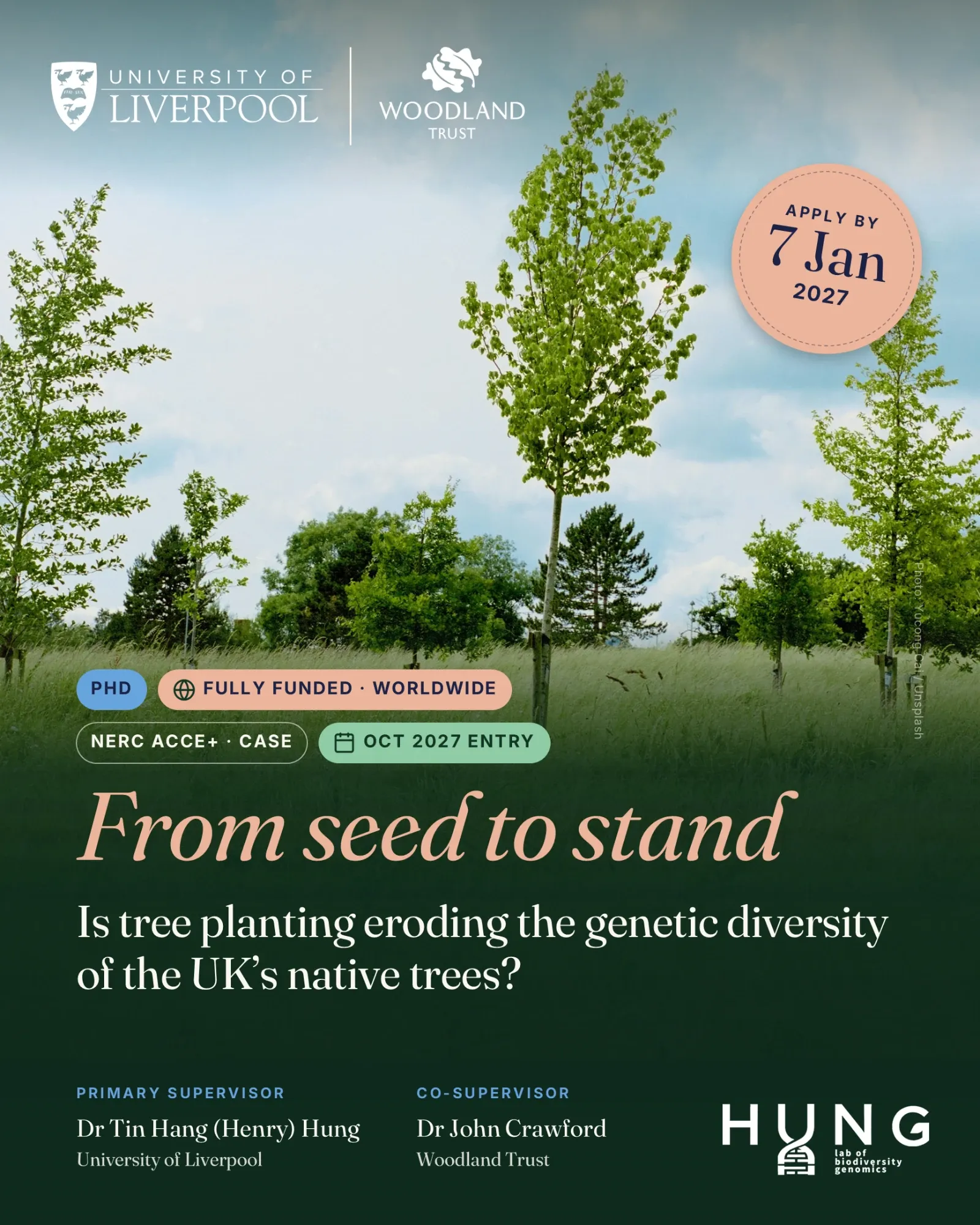
From seed to stand: is tree planting eroding the genetic diversity of the UK’s native trees?
A fully funded PhD with the Woodland Trust. Combine genomics, forest inventory, ecophysiology and machine learning to find out whether tree planting is narrowing the genetic diversity of the UK’s native trees.
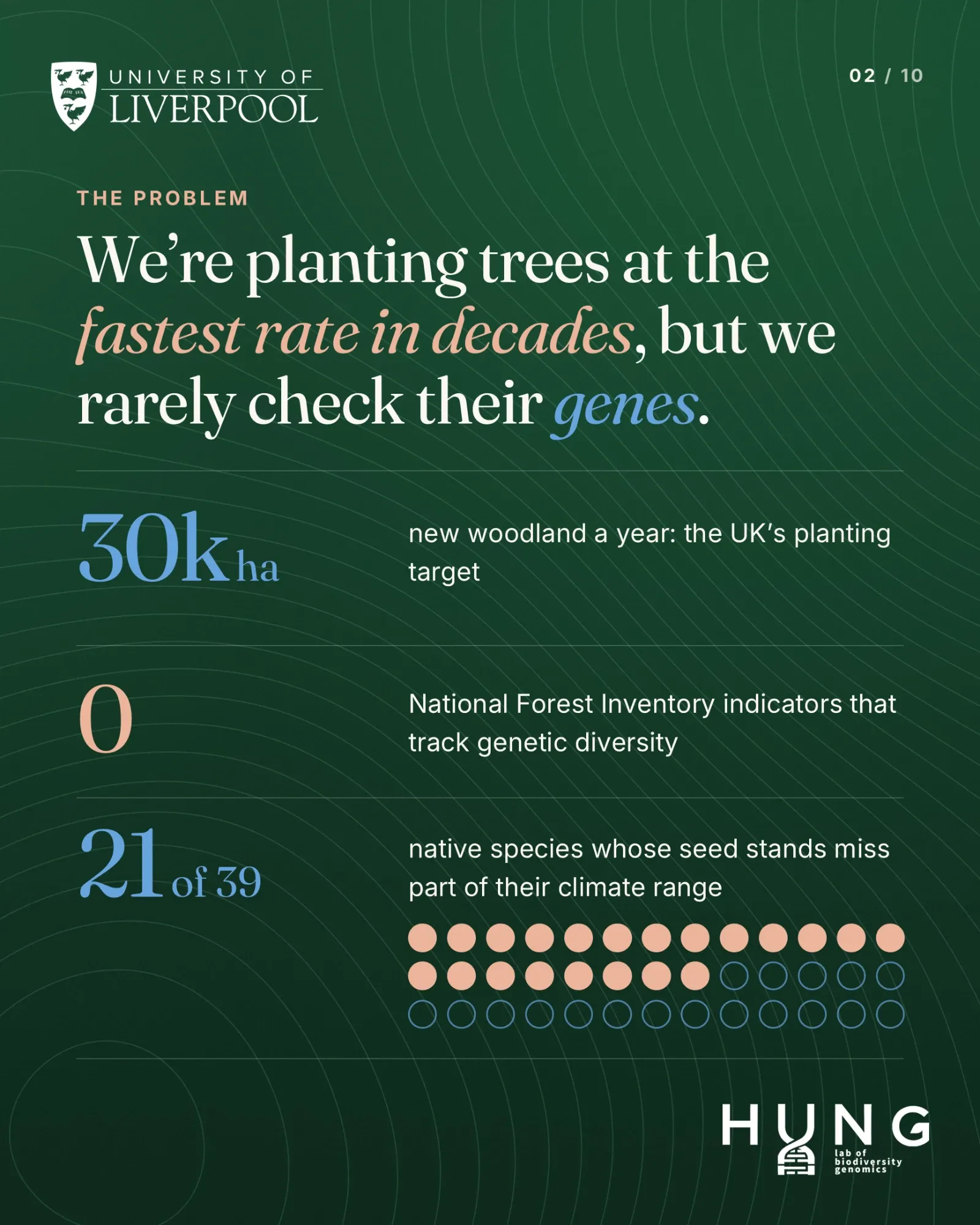
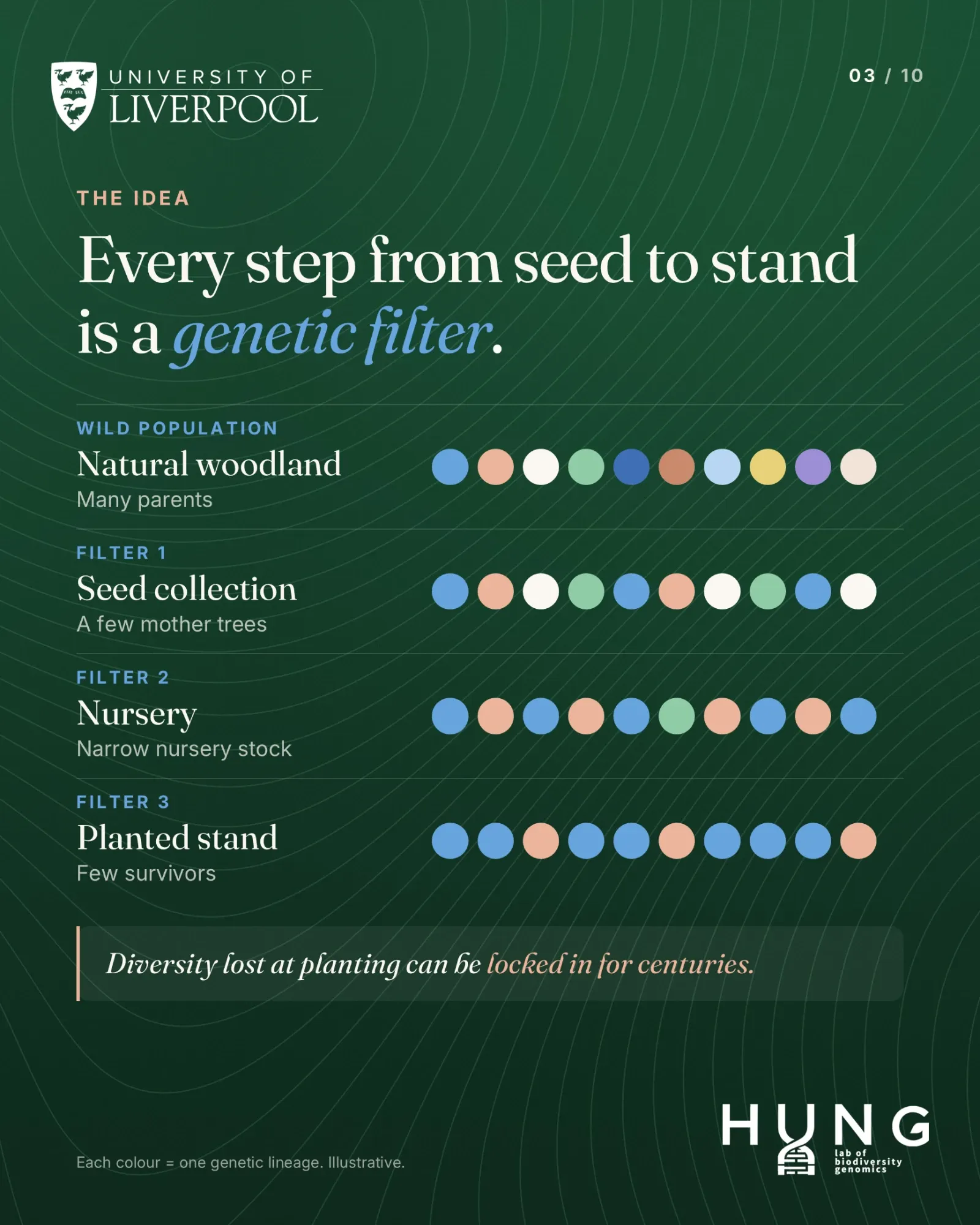
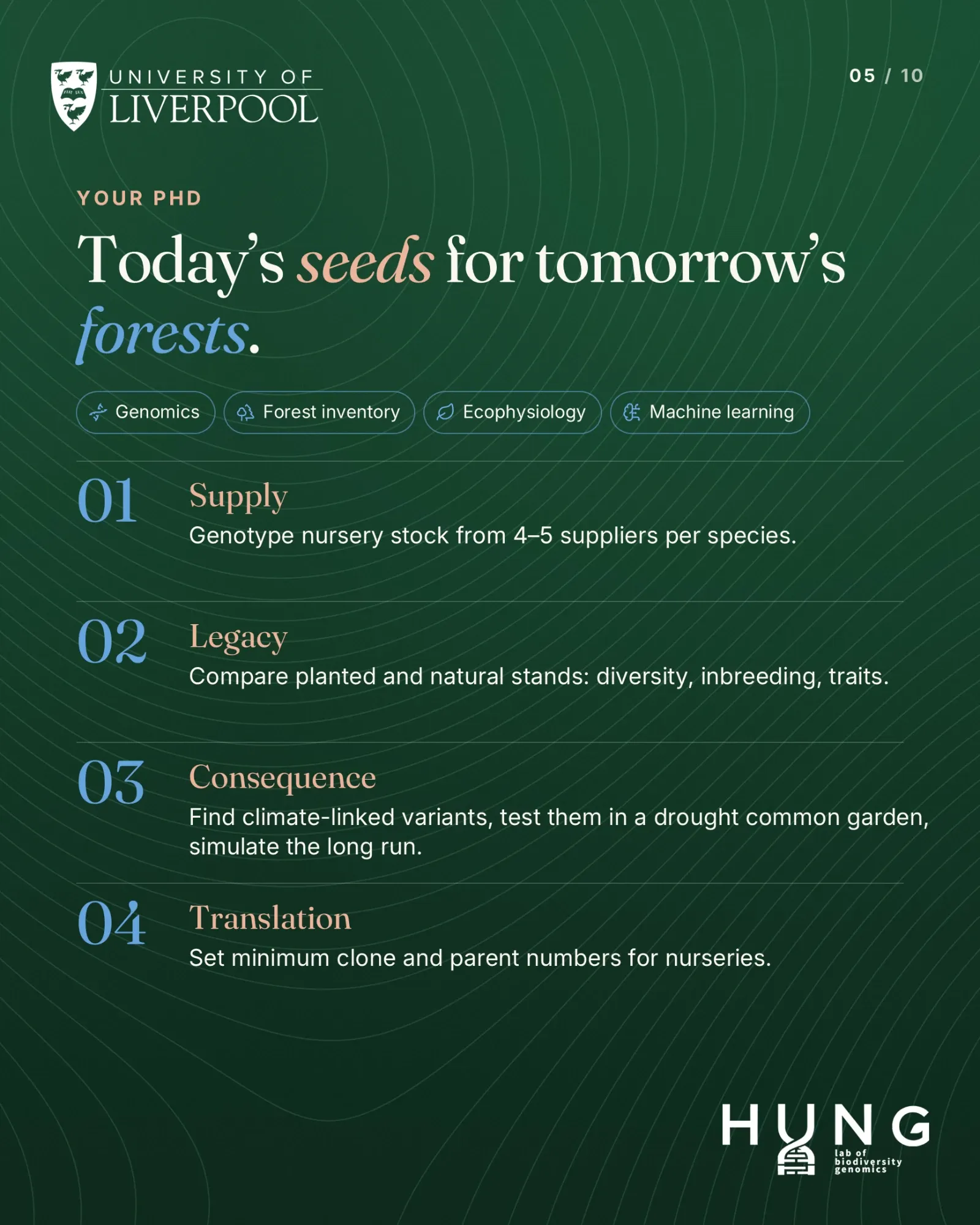
The UK is creating woodland at a pace not seen for decades, yet the genetic diversity of newly planted trees, the raw material that allows them to adapt to changing environments, remains poorly understood. Almost every planted tree follows a similar journey: seeds or cuttings are collected, raised in a nursery, then planted and managed. Each step can act as a genetic filter. If seeds come from only a few parents, or saplings from a few clones, genetic diversity can be lost before a woodland is even established. These losses may be difficult to reverse and may only become apparent generations later, potentially compromising long-term woodland resilience. Yet, we still do not fully understand how genetic diversity changes from seed to stand.
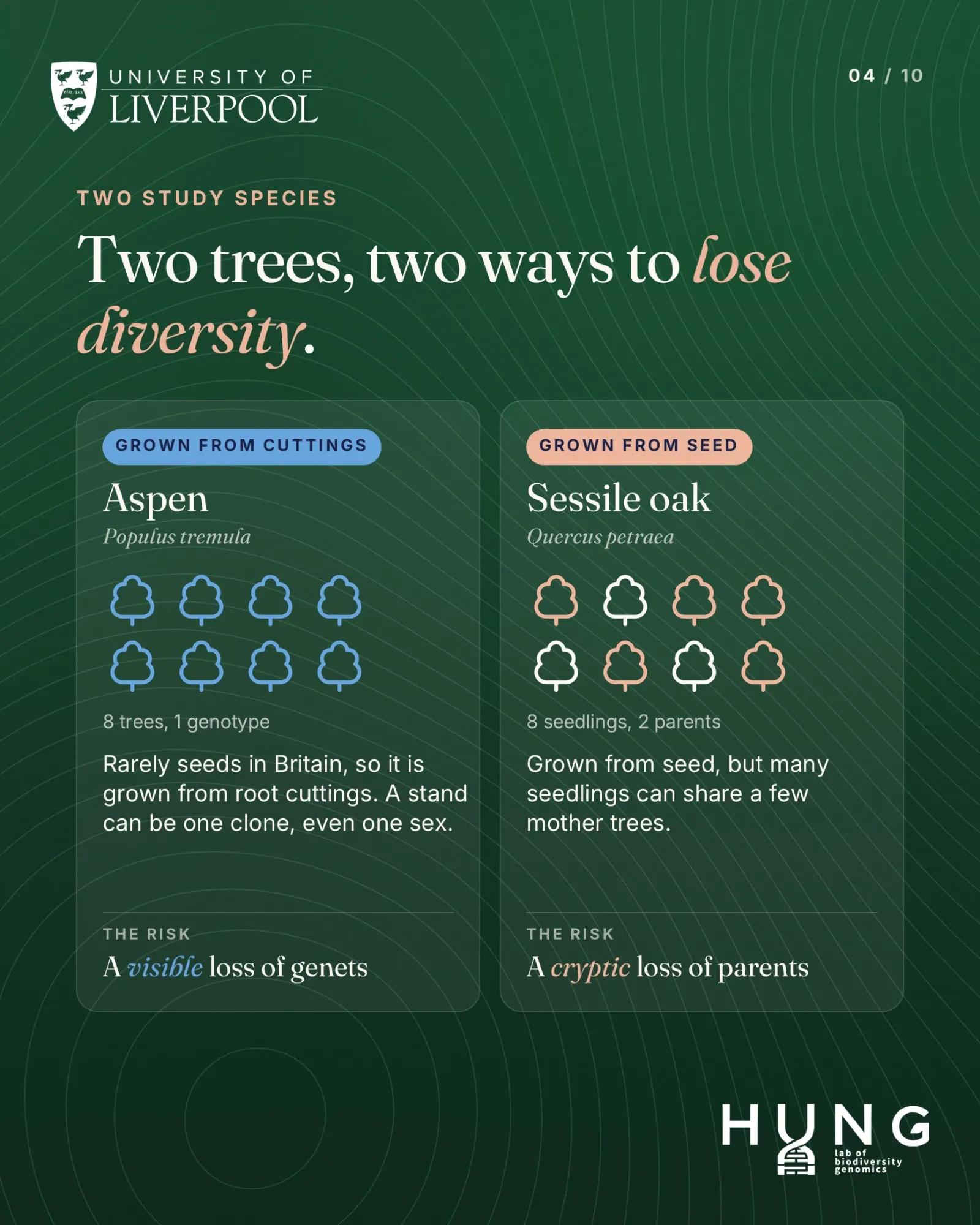
This project investigates these filters in two foundation trees with contrasting reproductive systems. Aspen (Populus tremula) rarely sets seed in Britain and is mostly propagated from root cuttings, so genetic filtering may be visible as fewer distinct clones or single-sex stands. Sessile oak (Quercus petraea) is outcrossing and grown from seed, so losses may be cryptic: many healthy seedlings may come from few parents, increasing relatedness and the risk of future inbreeding. Comparing the two tests whether reproductive biology predicts genetic risk, a rule that could be translated to the many understudied native trees.
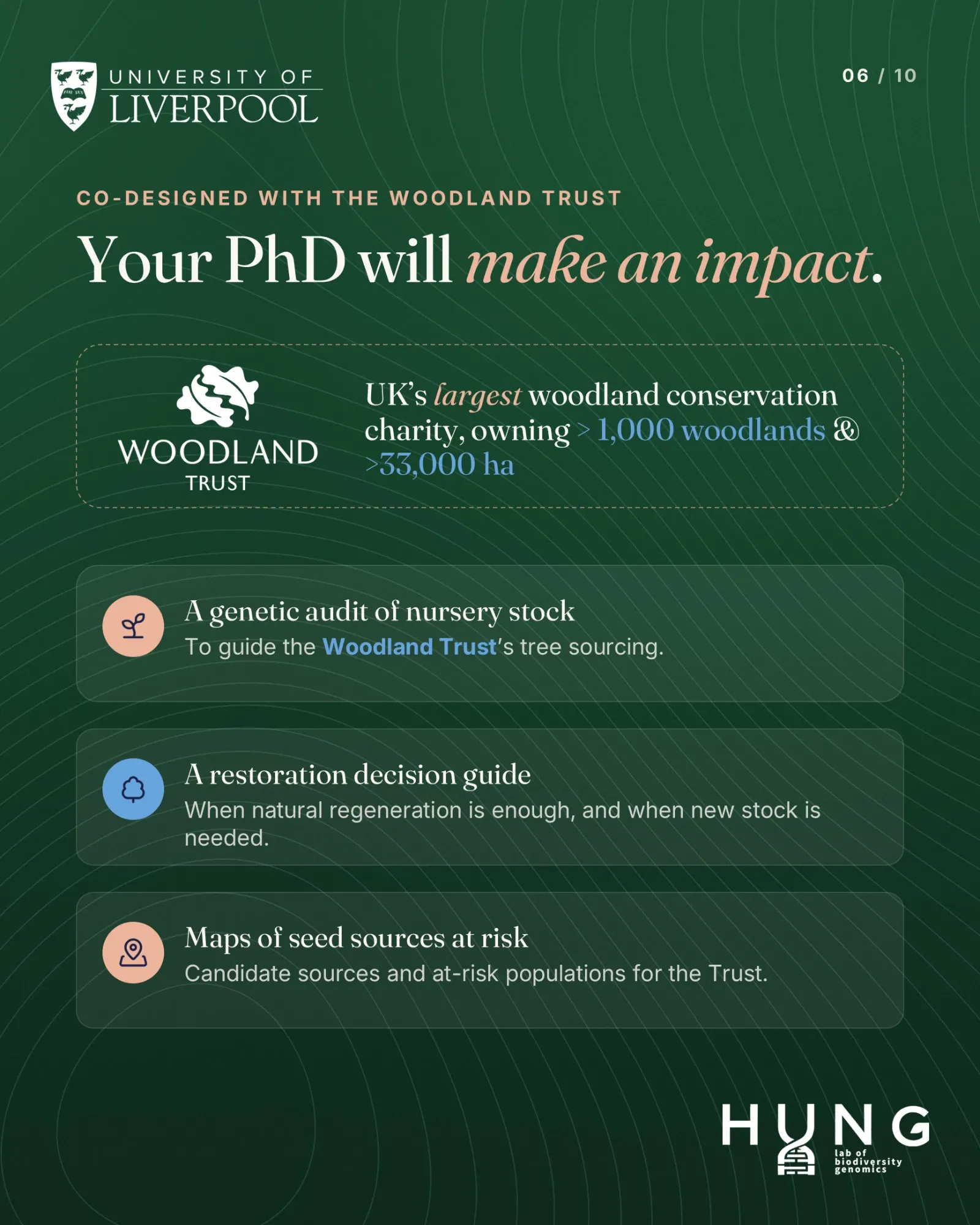
Co-designed with the Woodland Trust, the UK’s largest woodland conservation charity, the project will address four integrated objectives:
- Supply: genotype commercial planting stock to quantify distinct clones (aspen) and effective parents (sessile oak), and where diversity is lost.
- Legacy: compare planted stands with neighbouring natural stands, inferring founder numbers by simulation-based machine learning.
- Consequence: identify adaptive genomic variation, test in a common garden whether lost diversity carries a cost, and forecast long-term consequences with forward simulation.
- Translation: translate the findings into practical guidance on tree sourcing and woodland restoration.
Your PhD will make an impact
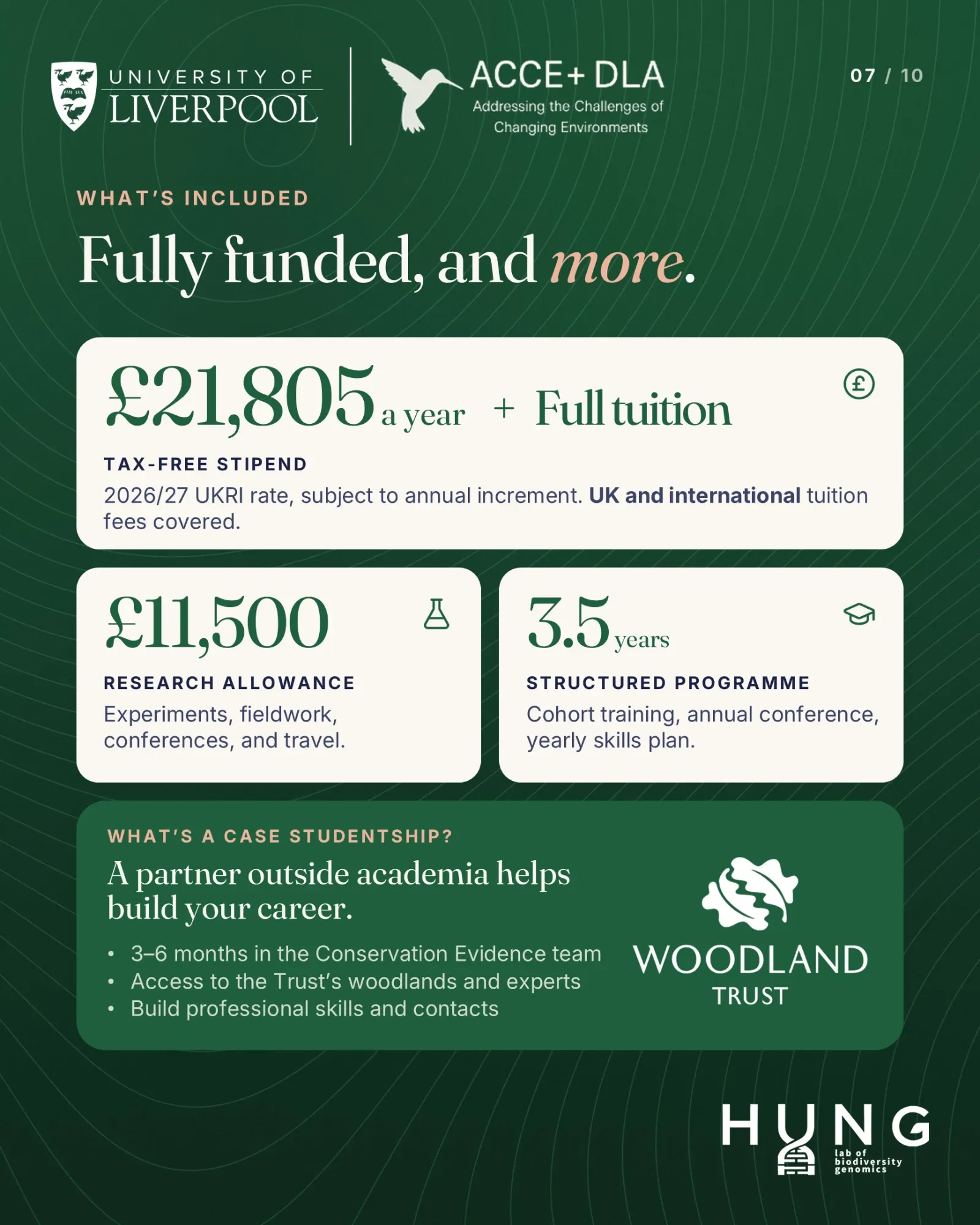
The Trust will use your evidence to shape how it sources trees and restores ancient woodland, and share it with nurseries and practitioners. You will also spend three months in the Trust’s Conservation Evidence team, seeing first-hand how research becomes conservation practice. The Trust contributes an annual research allowance, in addition to the Research Training Support Grant provided by the ACCE+ DLA.
Supervision and training
You will be supported by an interdisciplinary supervisory team committed to providing a supportive and inclusive research environment: Dr Tin Hang (Henry) Hung (University of Liverpool; forest genomics and machine learning) and Dr John Crawford (Woodland Trust; field ecology, conservation evidence and practice). Based in the Department of Evolution, Ecology and Behaviour, you will join a supportive research group and train in fieldwork, forest inventory, bioinformatics, population and landscape genomics, simulation, machine learning, ecophysiology and stakeholder engagement. You will have access to high-performance computing and Ness Botanic Gardens. The project is modular and flexible, so you can steer it towards your own interests.
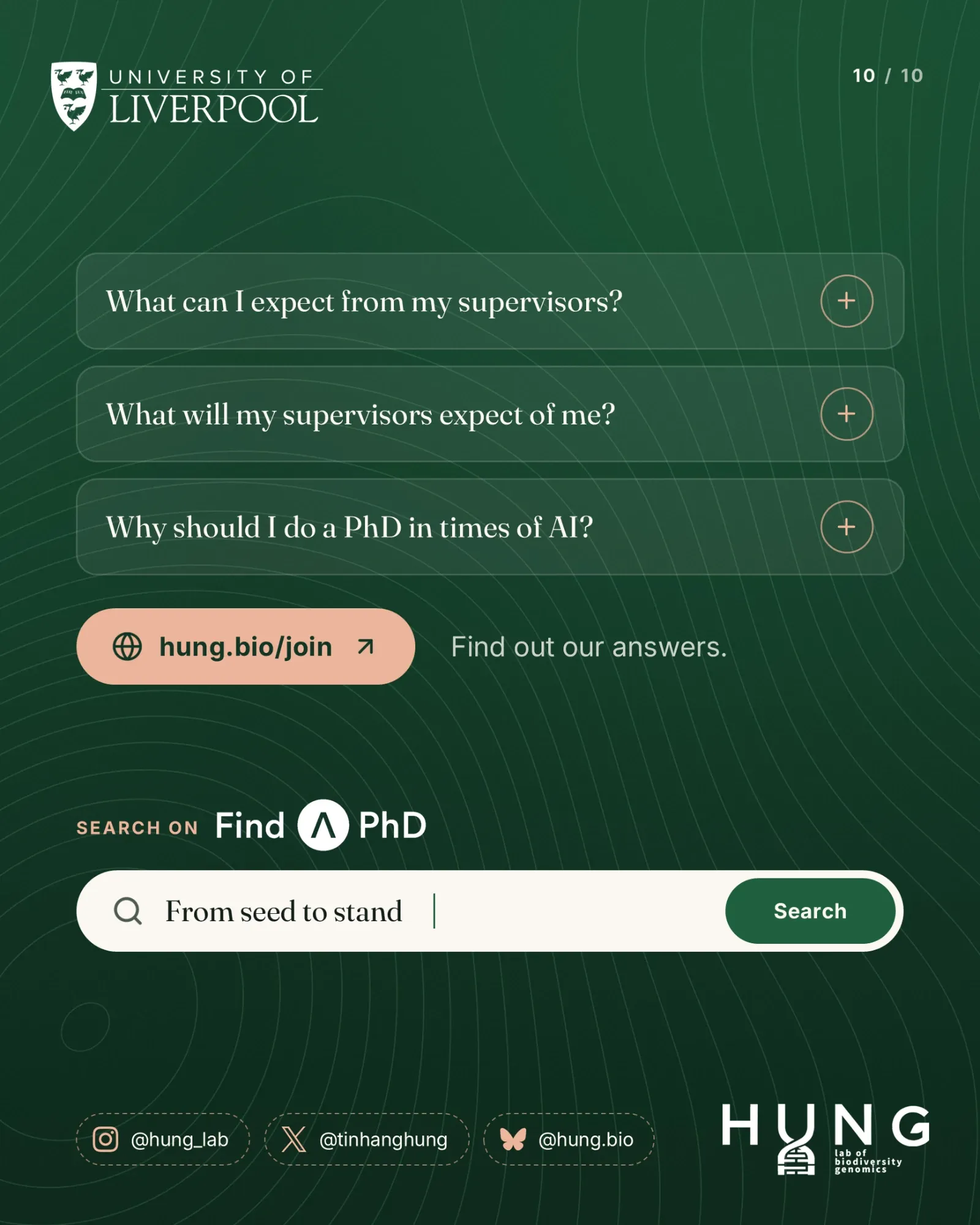
You can read our group’s supervisory statement and AI statement: they answer “What can I expect from my supervisors?”, “What will my supervisors expect of me?” and “Why should I do a PhD in times of AI?”.
Who we are looking for
Applicants should hold, or be expected to obtain, at least an upper second-class honours degree (or equivalent) in biology, ecology, genetics, environmental science, forestry or a related subject. You do not need experience in all the proposed techniques. Experience with programming, fieldwork or molecular work would be advantageous. Enthusiasm for interdisciplinary research, a willingness to learn new approaches and a strong interest in trees and woodlands are essential. We particularly welcome applications from groups under-represented in environmental science.
A CASE studentship
This project is a CASE project. Your project will be co-supervised by the non-academic partner organisation, and you will spend 3–6 months on a placement with your CASE partner in their workplace. You will experience training, facilities and expertise not available in an academic setting, and will build business and research collaborations.
Funding
The NERC ACCE+ DLA programme begins in October 2027. UKRI provides the following funding for 3.5 years:
- a stipend (2026/27 UKRI rate: £21,805 a year);
- tuition fees at the UK rate (2026/27 UKRI rate: £5,238);
- a Research Training Support Grant (RTSG).
UKRI funding only covers UK (Home) fees. The DLA partners have various schemes which allow international students to join the DLA but only pay home fees. Home fees are already covered by UKRI funding, so successful international candidates do not need to find additional funding for fees. UK visa and relocation costs cannot be covered by ACCE+ DLA.
All ACCE PhDs are available part time or full time, with part time being a minimum of 50% of full time.
Key dates
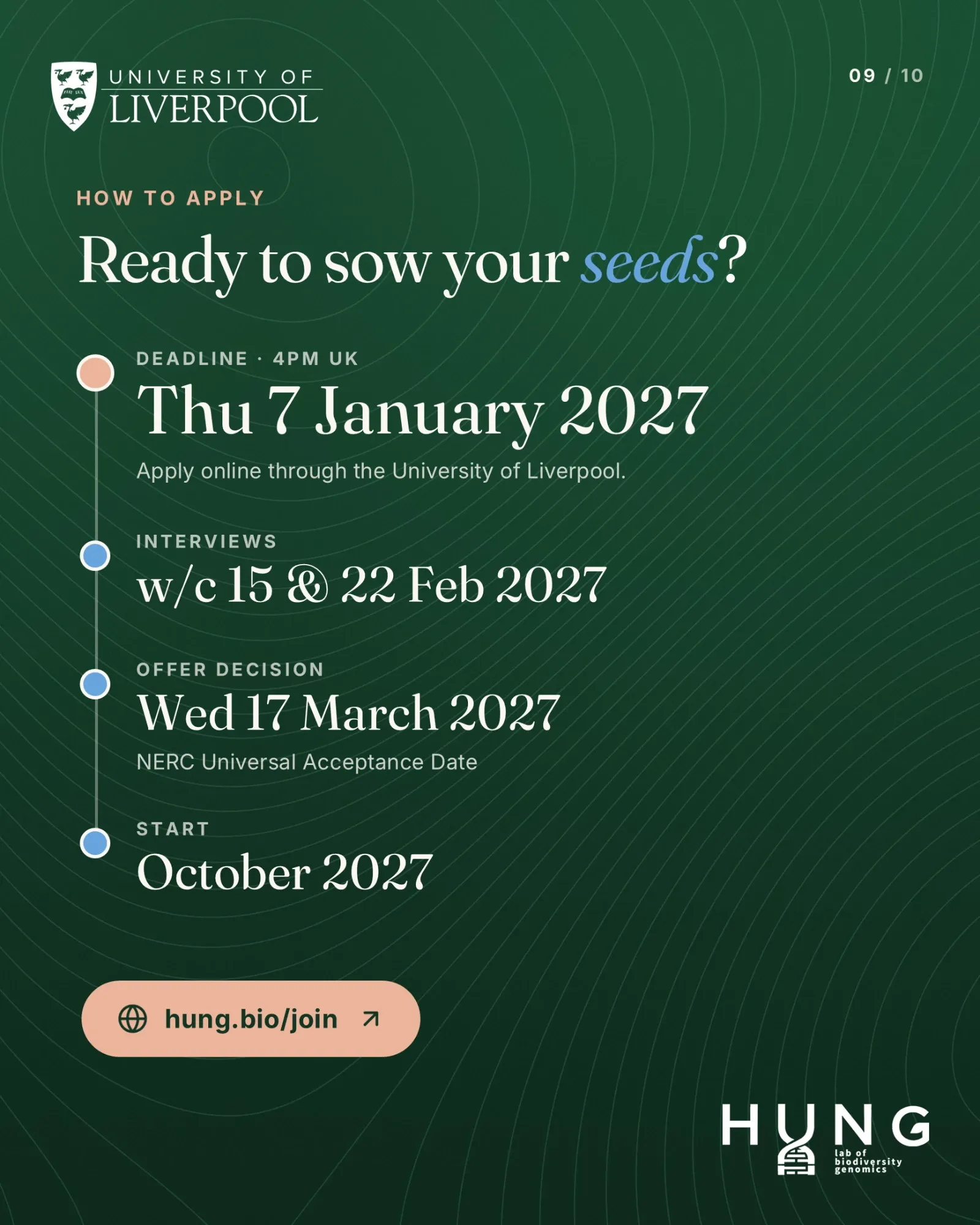
- Deadline: 4pm UK time, Thursday 7 January 2027.
- Interviews: weeks commencing 15 and 22 February 2027.
- Offers: Wednesday 17 March 2027, the NERC Universal Acceptance Date.
- Start: October 2027.
How to apply
Notes and details of how to apply are on the ACCE+ website. All applicants to ACCE+ must complete an online application form (use the Apply now button below for the University of Liverpool’s form). The form has questions that replace a traditional CV, questions about the project or projects you are applying to, and the questions of the ACCE+ guided personal statement proforma. The proforma is designed to standardise this part of the application, to minimise the difference between those who are given support and those who are not. Depending on which ACCE+ university you apply to, you may be asked to send additional documents by email; all details are in the online form and on each university’s ACCE+ page. The form also asks Home candidates if they wish to be considered under ACCE+’s widening participation scheme.
Please do not send a separate CV, cover letter or personal statement by email: these will not be considered as part of your application.
Enquiries
For this particular studentship, prospective applicants are not allowed to contact the supervisors during the application process.
Informal enquiries about the application process may be made to acce.dtp@liverpool.ac.uk.